What Haitian Brands Revealed to Me About the Emotional Power Behind Great Communication

Long before I ever considered writing part of my profession, I was that kid who decorated my parents’ books without permission. I called it art. They called it “Sophie, why?” But those tiny rebellions were the beginning of a lifelong love for storytelling. They taught me early on that a message means more when someone can feel it — even if it’s scribbled in the margins.
In today’s digital landscape, attention is loud and fleeting, but connection is the path that should be sought after. That’s why storytelling matters. While the word storytelling sounds so much like a buzzword lately, there’s a reason why you see it everywhere you go in the consumer world. It’s not just the “what” of a message; it’s the feeling a brand evokes before anyone reads the details or checks the price. And when a story is grounded in real culture, community, and lived experience, it doesn’t shout. It resonates.
What Storytelling Really Does
In branding and communications, storytelling is the force that moves people from simple awareness to meaningful action. Before we compare features or analyze value, our emotions respond first. We feel echoes of memory, pride, possibility, and belonging—and those emotions set the tone for every decision that follows. That’s the moment when curiosity becomes engagement, and engagement becomes genuine advocacy.
I’ve seen this play out consistently with Haitian and Black‑owned brands that lead with heritage, culture, and purpose. Their stories show up long before the product details ever do. The narrative speaks through the visuals, the craftsmanship, the mission, so by the time I’m looking at the product itself, I’m already connected. The item becomes more than a purchase; it becomes an invitation to participate in a story that aligns with who I am and what I value
Case Studies
TiSakSuk — Grassroots Memory, Hand-Painted Now
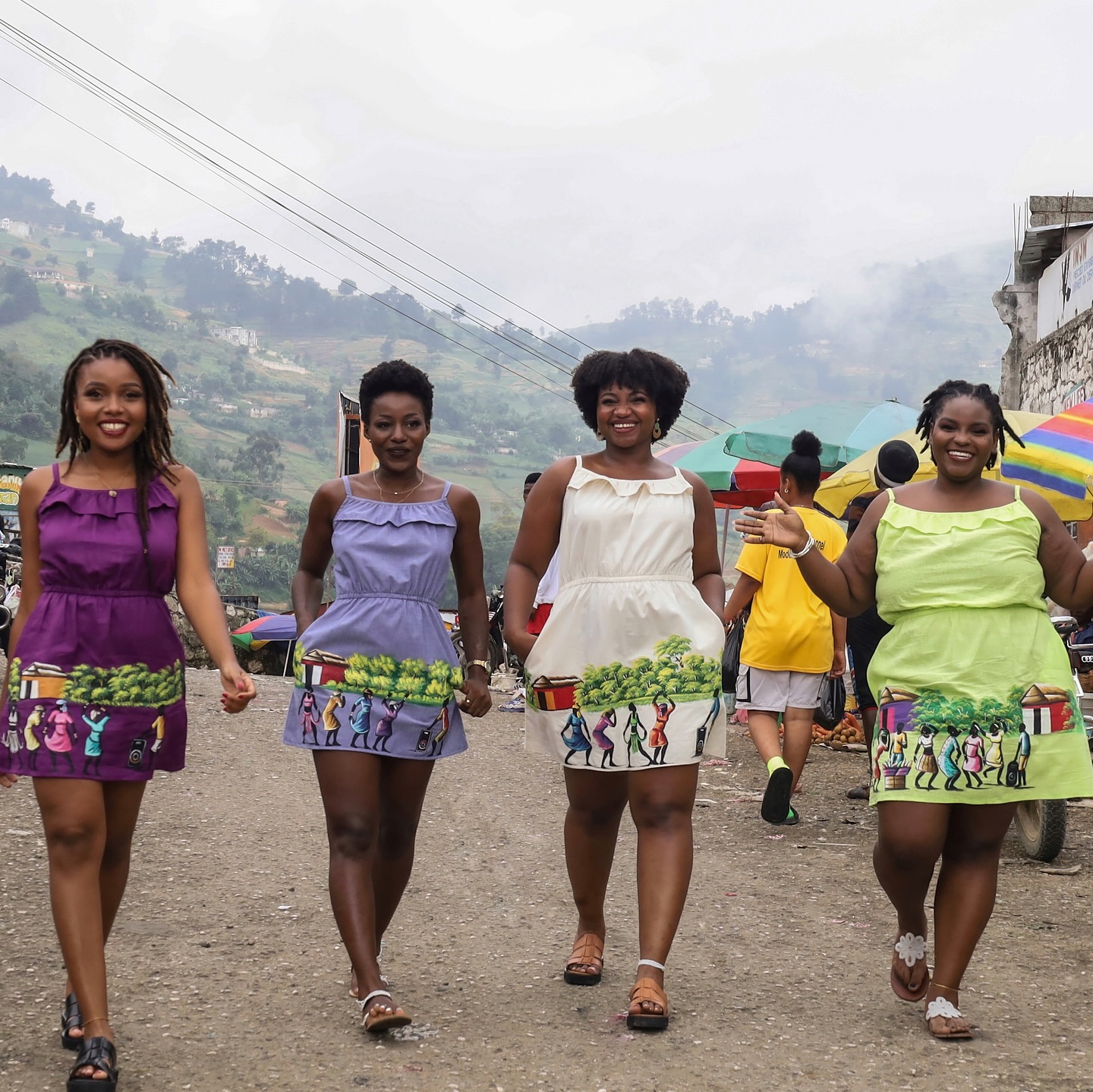
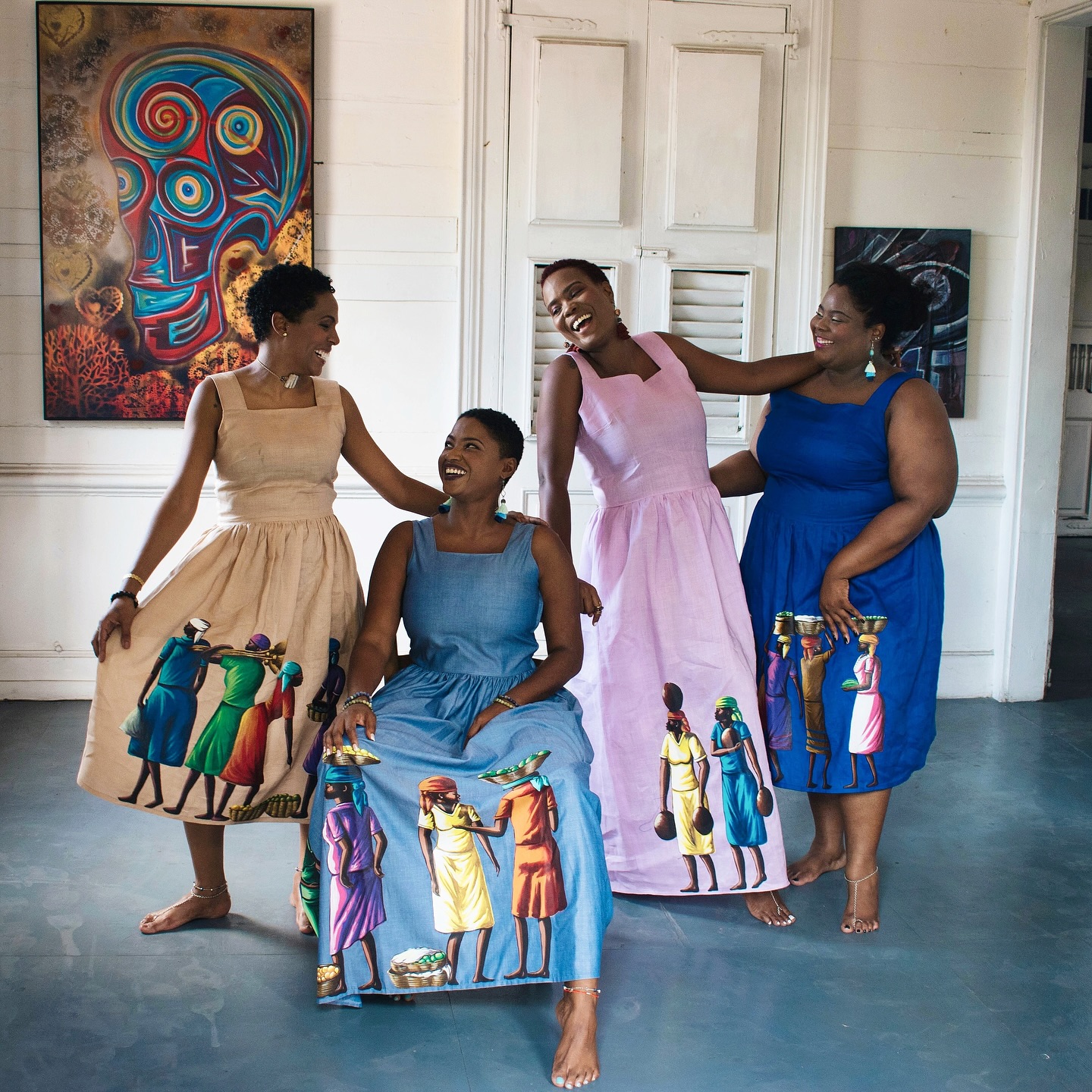
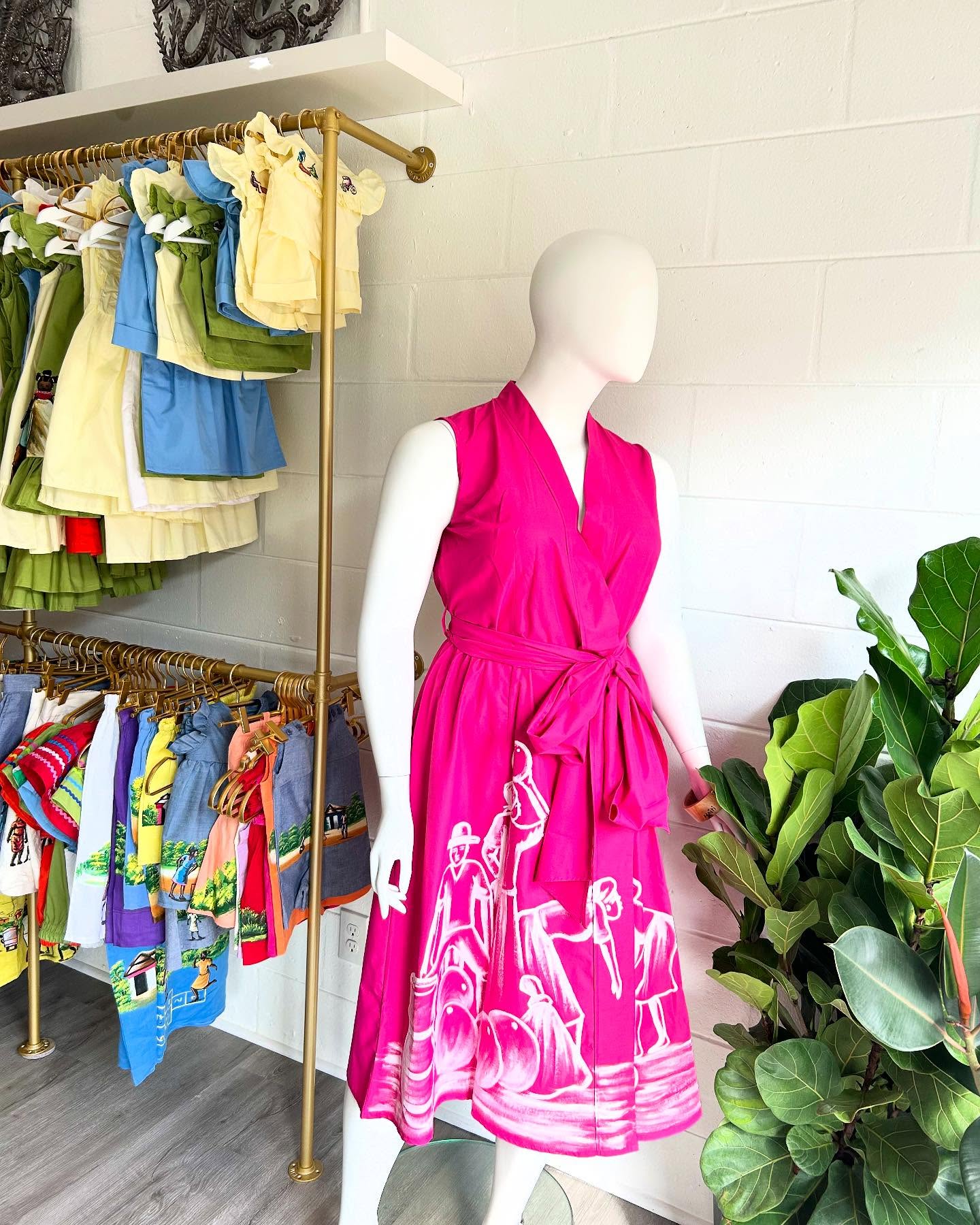
TiSakSuk — which translates to “little bag of sugar” in Haitian Creole — began as founder Daphnée Valmond Bourgoin’s personal celebration of “Made in Haiti” artisans. She started by promoting local crafts online, eventually becoming affectionately known as “Madame Made‑in‑Haiti.” The name itself adds an even sweeter layer to the brand’s story: Ti Sak Suk was the childhood nickname her now‑husband gave her when they were growing up together, a name she carried with her into adulthood and lovingly transformed into the heart of her brand.
As community interest grew, she created a small workshop where garments are still hand-painted by Haitian artists, sustaining an intimate, artisan-led identity as the brand reached the diaspora.
Honestly, the UX design on TiSakSuk’s website pulls me in immediately. It gives me this digital echo of the streets I remember back home — the colors, the energy, the familiar motifs. The hand‑painted visuals and karabela‑inspired silhouettes feel like walking past a row of vibrant market stalls, except translated into a clean, modern layout that’s clearly built with the diaspora in mind. And then there’s the thoughtful touch of transparency about their batch‑shipping process from Haiti to the U.S., making sure customers aren’t hit with surprise customs fees. It’s small details like these that make me want to explore every corner of the site; it feels cultural, inviting, and intentional all at once.
Fanm Mon — A Graceful Ode to Heritage and Nature

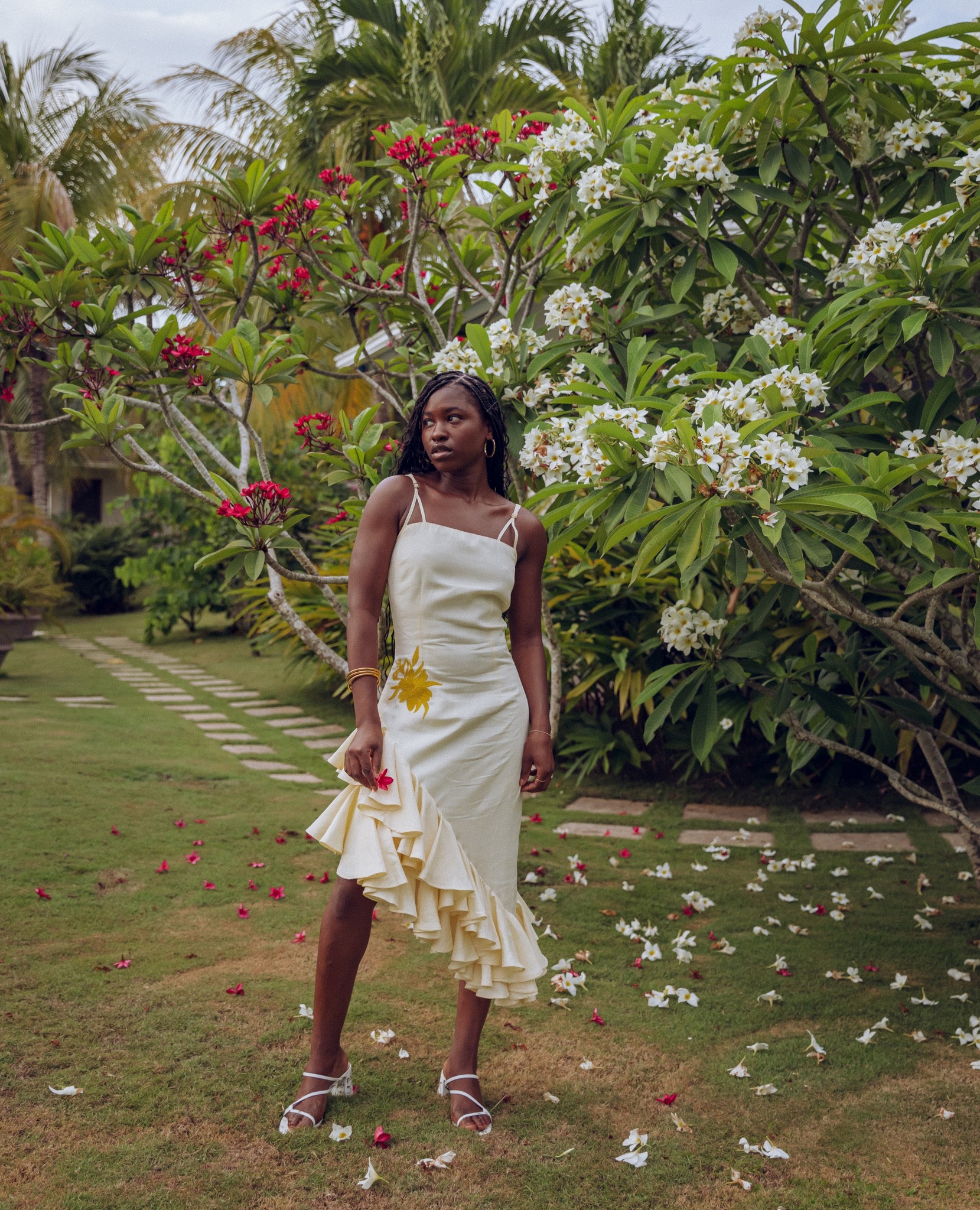
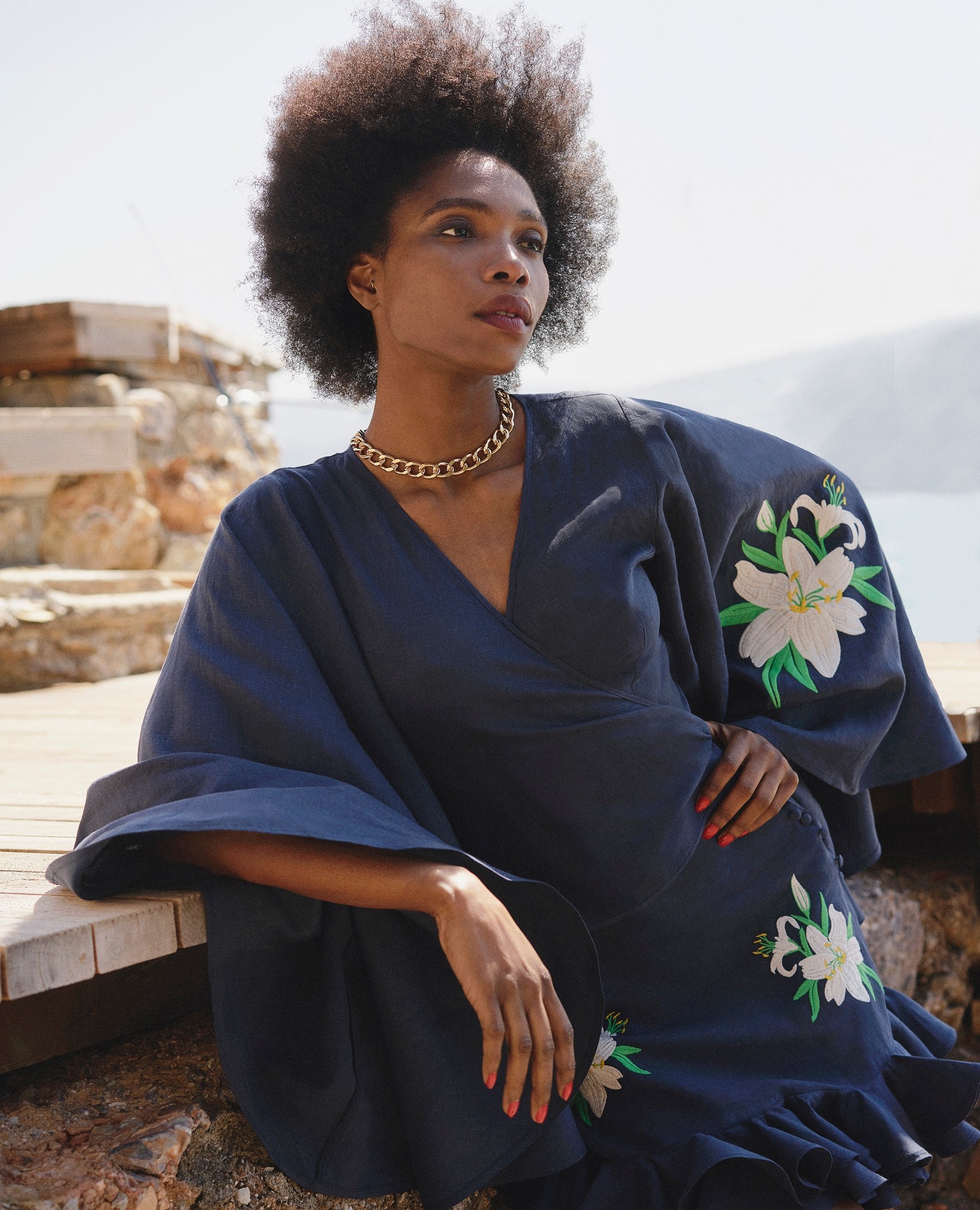
Fanm Mon is a different kind of storytelling — softer, ethereal, but still rooted in Haitian identity. Even the name carries poetry. “Fanm Mon” translates to “Woman from the Mountain,” in Haitian Creole, a phrase that immediately evokes strength, nurture, nature, and a quiet, ancestral grace. The brand was established in 2013 as an ode to Haitian heritage and the magic of Haitian couture. Its pieces don’t shout their origins; instead, they honor Haiti with elegance, intention, and symbolism woven gently through every design.
What makes Fanm Mon special is how it blends cultures without losing its original heartbeat. Though the brand once operated from Ukraine and later relocated to Turkey, it continued blending vibrant embroidery, rich colors, and nature‑inspired motifs with ethical, artisanal techniques from each place it called home.
Through its collections, Fanm Mon creates a world that feels hopeful and nurturing. It channels Haitian heritage not through literal imagery, but through a sense of beauty, abundance, and rooted femininity, allowing wearers to feel connected to something cultural, elegant, and deeply intentional.
Conclusion
There are so many brands I could have featured here, but these two highlight just how beautifully Haitian storytelling shows up in the marketplace: one through personal memory that grows into community craft (TiSakSuk), and the other through elegance shaped with ethical intention (Fanm Mon). Both remind me that storytelling isn’t an accessory to marketing — it’s the invitation.


 That Fille Sophie
Leave a reply to That Fille Sophie Cancel reply