
Now that Labor Day is behind us, I know Fall lovers are thrilled to fully immerse themselves in their favorite season. For those of us dealing with a touch of the end-of-summer blues, let’s come together and be each other’s safe haven. In a perfect world, I’d still be chasing the sun, but since life isn’t perfect, I’m also preparing myself for the seasonal shift ahead.
Understanding Seasonal Affective Disorder (SAD): Seasonal Affective Disorder is a type of depression that typically occurs during the fall and winter months due to reduced sunlight exposure. This lack of sunlight can disrupt the body’s internal clock and lead to a drop in serotonin levels, which is linked to mood regulation. SAD is that unwelcome guest who shows up every year just as the days start getting shorter and the sunlight becomes scarce. The reduced sunlight can mess with your brain’s production of serotonin, the feel-good neurotransmitter that helps regulate your mood. If you’ve ever felt the weight of low energy, struggled with sleep, or noticed changes in your appetite during these darker months, you’re not alone. These are common symptoms of SAD. Recognizing these signs and understanding what triggers them is key to managing the disorder effectively.
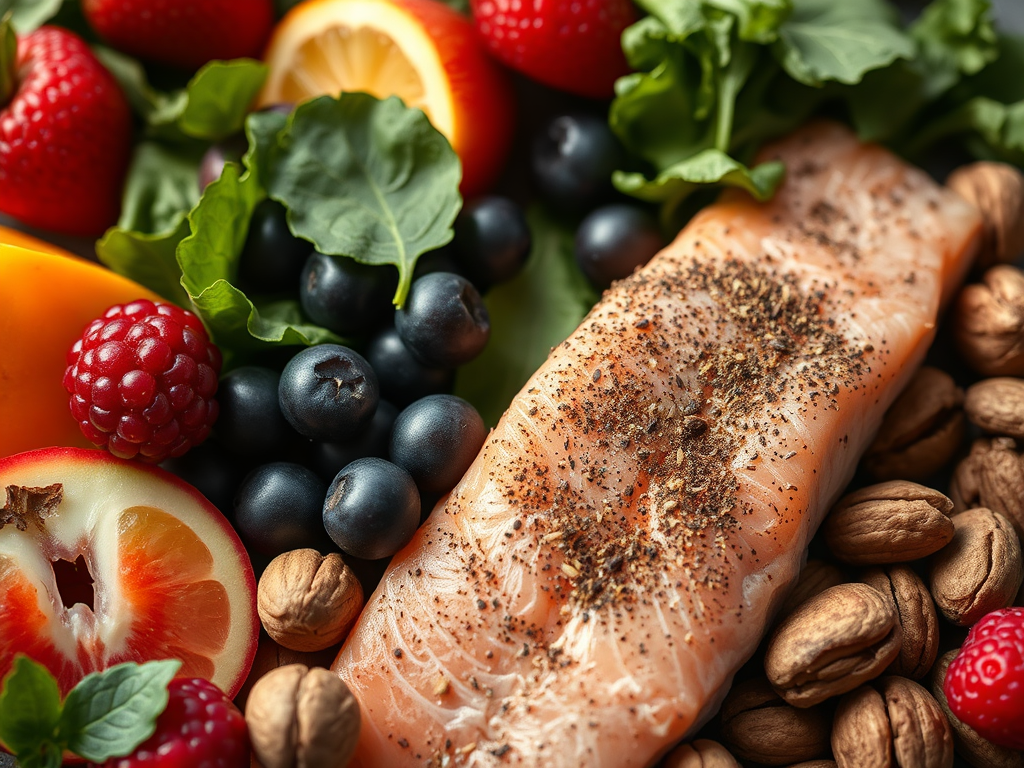
The Role of Nutrition : A well-balanced diet rich in essential nutrients, such as Omega-3 fatty acids, is crucial for managing Seasonal Affective Disorder (SAD). Omega-3s, found in fatty fish like salmon and in nuts and seeds, have been shown to support brain health and improve mood. Personally, having experienced SAD, I plan to focus on my nutrition by incorporating a variety of fruits and berries, which provide essential vitamins and antioxidants, and leafy greens, which are rich in folate and iron. Additionally, I will include fish, particularly those high in Omega-3s, and nuts, to ensure I receive adequate amounts of these beneficial fats. This dietary approach aims to help stabilize my mood and overall well-being during the challenging winter months.

The role of Exercise : Now, I know you might be rolling your eyes at that common advice, but hear me out—exercising during the colder months can actually be a game-changer for your mental health. Personally, I’ve found that braving the chill and sticking to a workout routine has been incredibly beneficial. Sure, I’m a firm believer that summer bodies are built in the winter. However, let’s set vanity aside for a moment. Exercise releases endorphins and serotonin—those magical chemicals that lift your mood and boost your energy levels. So, while the idea of working out in the cold might not sound appealing, the positive impact on your mental well-being is definitely worth it!
Light Therapy: Light therapy, which involves exposure to bright artificial light, is a common and effective treatment for SAD. This therapy helps reset the body’s circadian rhythm and boosts mood. Recommendations on how to use light therapy effectively, including the type of light box to use and the duration of exposure, can be found in sources like the National Library of Medicine.
Seeking Professional Help: If symptoms of SAD are severe, professional help may be necessary. Therapies such as Cognitive Behavioral Therapy (CBT) and medication can be effective treatments. It’s important to consult with a healthcare provider to determine the best approach. For more guidance on when to seek professional help, refer to resources from the Mayo Clinic and Grow Therapy.
As the days grow shorter and the crisp fall air settles in, let’s do our best to embrace the brighter side of the season. For me, it’s all about the stunning foliage that New England is known for, the excitement of the upcoming holiday season, and the chance to show off my layered personal style. You don’t have to love the same things, but I hope this serves as a gentle reminder that whether it’s through nourishing foods, staying active, or soaking up as much sunlight as possible, we can all take small steps to make the seasonal shift a bit easier.
And if you’re struggling with SAD, don’t just push it aside. Educate yourself, explore your options, and don’t hesitate to reach out for professional help if needed.
All Love,
Sophie
Sources : The Role of Exercise in Managing SAD: “Easing SAD Effects with Exercise,” Allina Health. Read more here. Food and Nutrition for Managing Seasonal Affective Disorder (SAD): “5 Foods and Recipes to Keep Your Seasonal Depression at Bay,” VCU Health. Read more here.


Leave a Reply